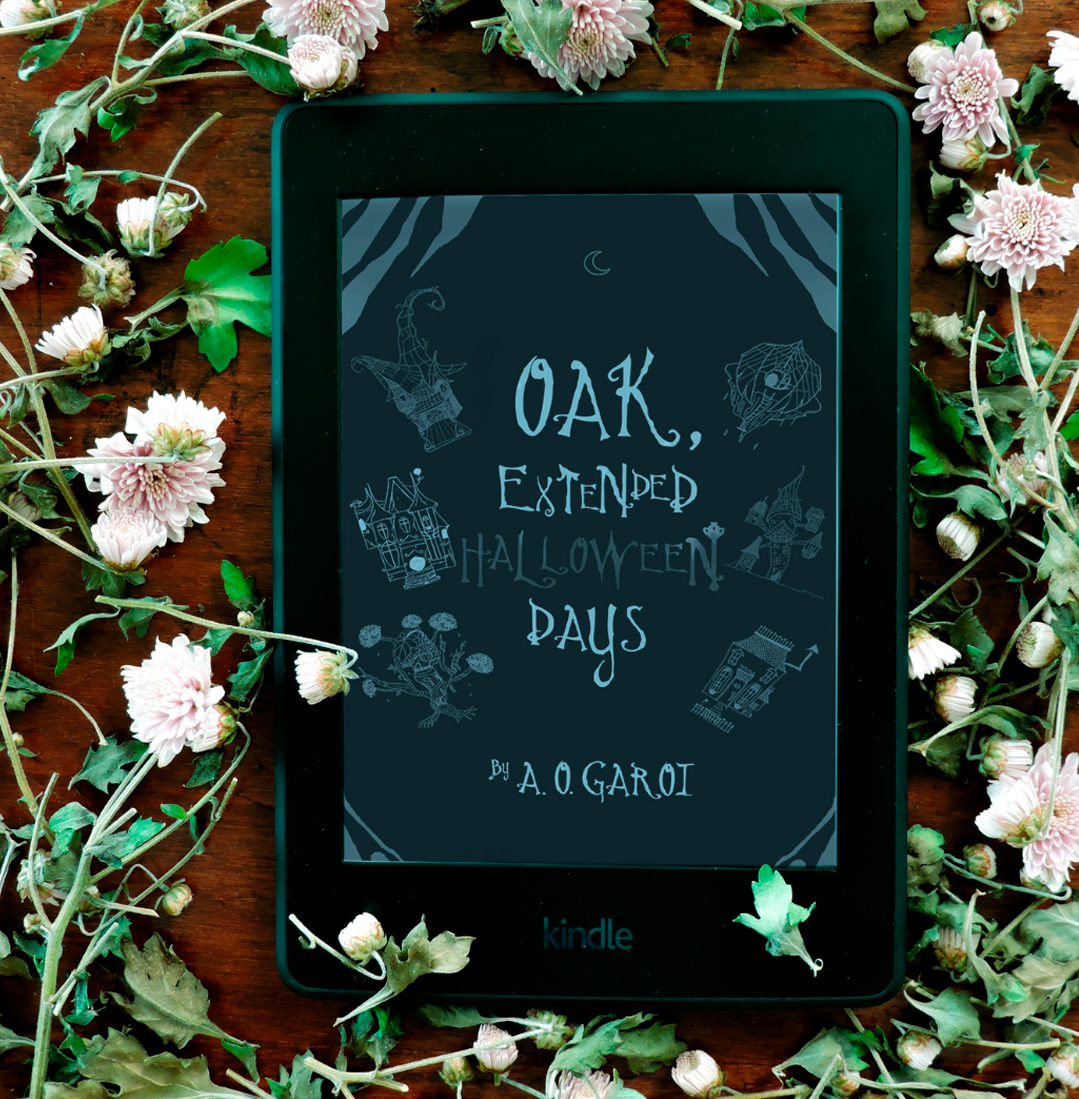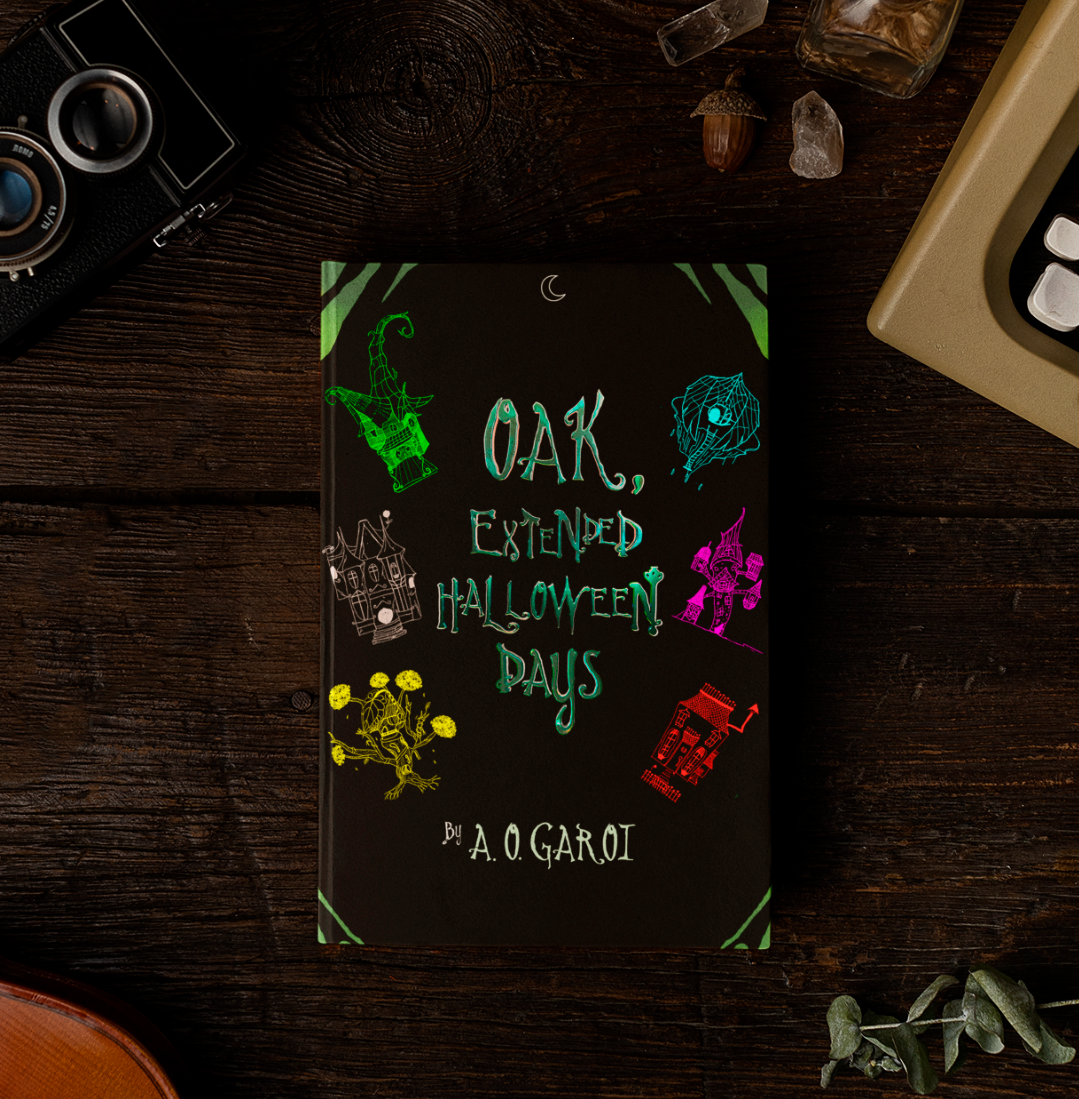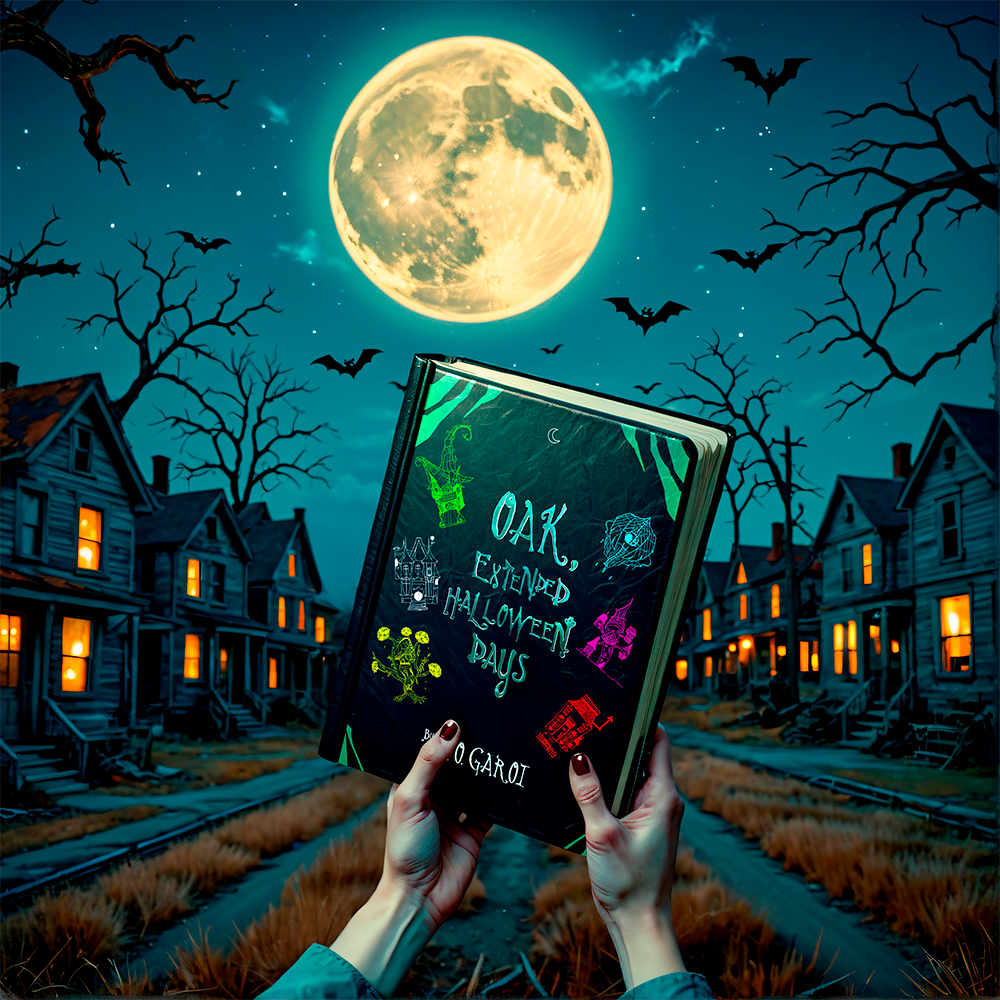
Let’s unravel a deeper layer of OAK, Extended Halloween Days together—this time, through the lens of a curious force: boredom. Yes, boredom! It may seem mundane, but as you'll see, it’s anything but. In fact, it’s at the very heart of this world and the catalyst for much of what unfolds within these cursed city walls.
Imagine this: Four teenagers, worn down by the dullness of life, find themselves thrust into a world where Halloween never ends. Their adventure isn’t just about pumpkins and spells—it’s about that nagging feeling of monotony and how it shapes our actions. They’re not just running from boredom; they’re confronting it, head-on, in a game where stakes are as eerie as the city that hosts them.
Well, as much as we tend to overlook it, boredom moves us. It pushes the wizardess—the orchestrator of this ghostly city’s twisted game—to create a world where she can escape her endless waiting. Kierkegaard once said, "Boredom is the root of all evil," and here, it becomes something much deeper: a desire for control, for power, for meaning.
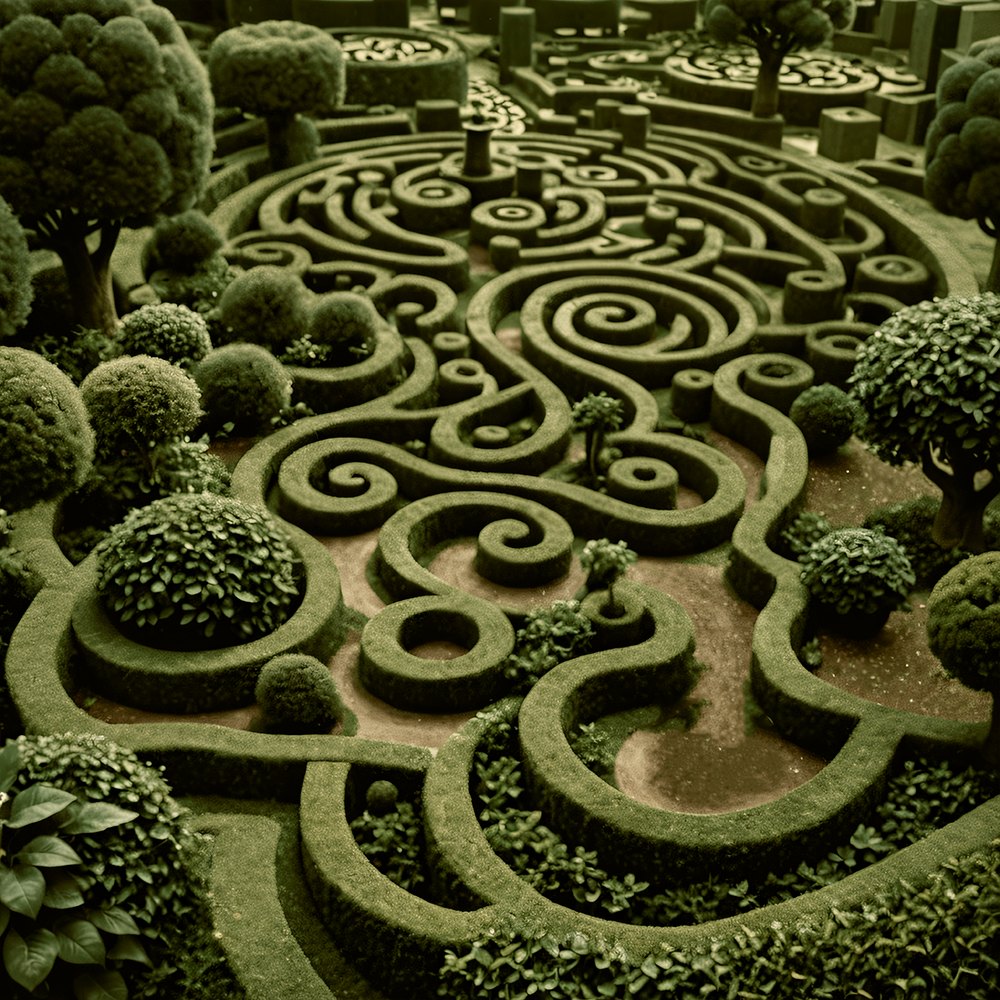
As we follow our unlikely heroes, the cursed city becomes a labyrinth, not just of streets but of their own inner journeys. The wizardess’s game is more than just a series of tasks; it mirrors the complexity of human thought and desire. Each twist and turn reflects the restlessness in our minds, as they too search for a way out.
But the wizardess? She’s not just a puppet master. She’s trapped, much like Virginia Woolf’s prisoners of others’ eyes. Watching the quartet play out her game is her only window to connection—her only hope of breaking free from the shackles of isolation that come with her curse.
Owry’s quiet love for Karin lingers in the shadows, eternal and unfulfilled. Love is tricky that way—Flaubert described it best as a “springtime plant,” offering hope even in ruins. It’s that timeless yearning we feel when the things we cherish seem just out of reach.
As the story nears its climax, redemption enters the scene. The wizardess, no longer content to be just a spectator, steps into her own game. She seeks connection, not power, as her path to transformation. Le Guin’s words echo here: “Love doesn’t just sit there… it has to be made.” In her admission, her joining forces with the quartet, love is indeed being made new.
At its heart, OAK, Extended Halloween Days is a mirror—a way for us to reflect on the strange beauty and perils of boredom. In this cursed city, we see the lengths to which it can drive us: to create, to control, or to connect. And in the end, it’s a reminder that even in monotony, there’s movement. There’s change. There’s life.
A. O. Garoi writes and lives around the world. She is the author of the Hofinda Series, and the book OAK, Extended Halloween Days.
Additionally, she works as an art director, overseeing the visual concepts of her writings, including the creation of her logo, the Simultaneous Feathers. She is also a travel enthusiast and a programmer.
Visit Author Website